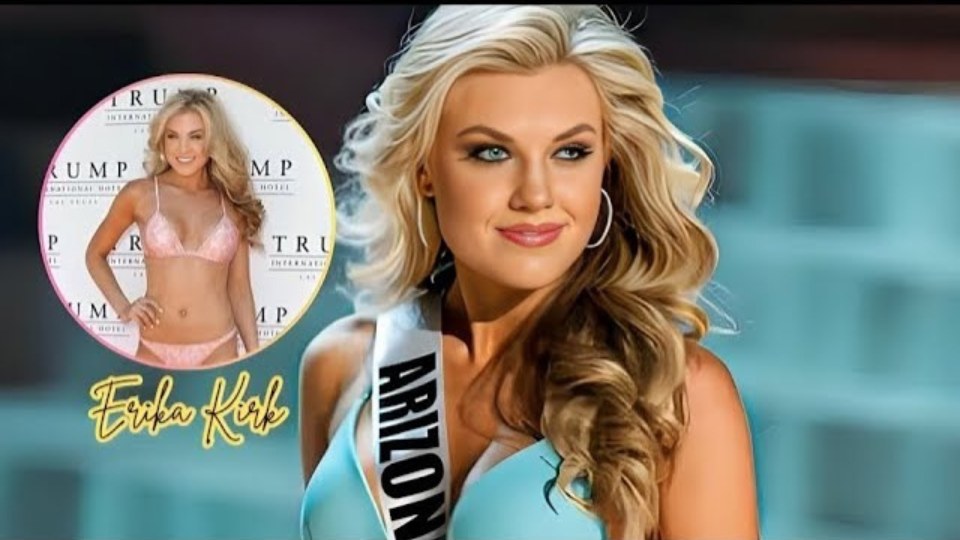
“Erika Kirk, 37, Flaunts Her Huge Size In New Bikini Photos” headlines capitalize on a long-standing media tendency of sensationalizing women’s bodies to get hits. Whether intended or not, the focus on a person’s physical appearance—especially with loaded terminology like “huge size”—frames the story in a way that might feel reductive rather than empowering.
In recent years, body-positive groups have transformed how many people think about beauty, advocating acceptance and appreciation of all shapes and sizes. For some, publishing images in swimwear is an act of confidence and self-expression—a means to reject limiting standards that formerly dominated popular society. But when headlines emphasize size over agency, they risk perpetuating the same focus that movements like these are aiming to destroy.
The true narrative is about how society chooses to discuss bodies in public settings, not just a collection of images. Women (and all individuals) need coverage that respects their choices without turning looks into a spectacle. Context matters: Is the subject sharing these images to provoke conversation, encourage others, or just chronicle a moment? Media framing should reflect such subtlety.
As viewers grow more media-literate, there’s more desire for headlines that inform without objectifying. Conversations surrounding representation and language are growing, and with them comes the possibility for more respectful, inclusive storytelling that goes beyond surface-level critique.
Video🎬👇